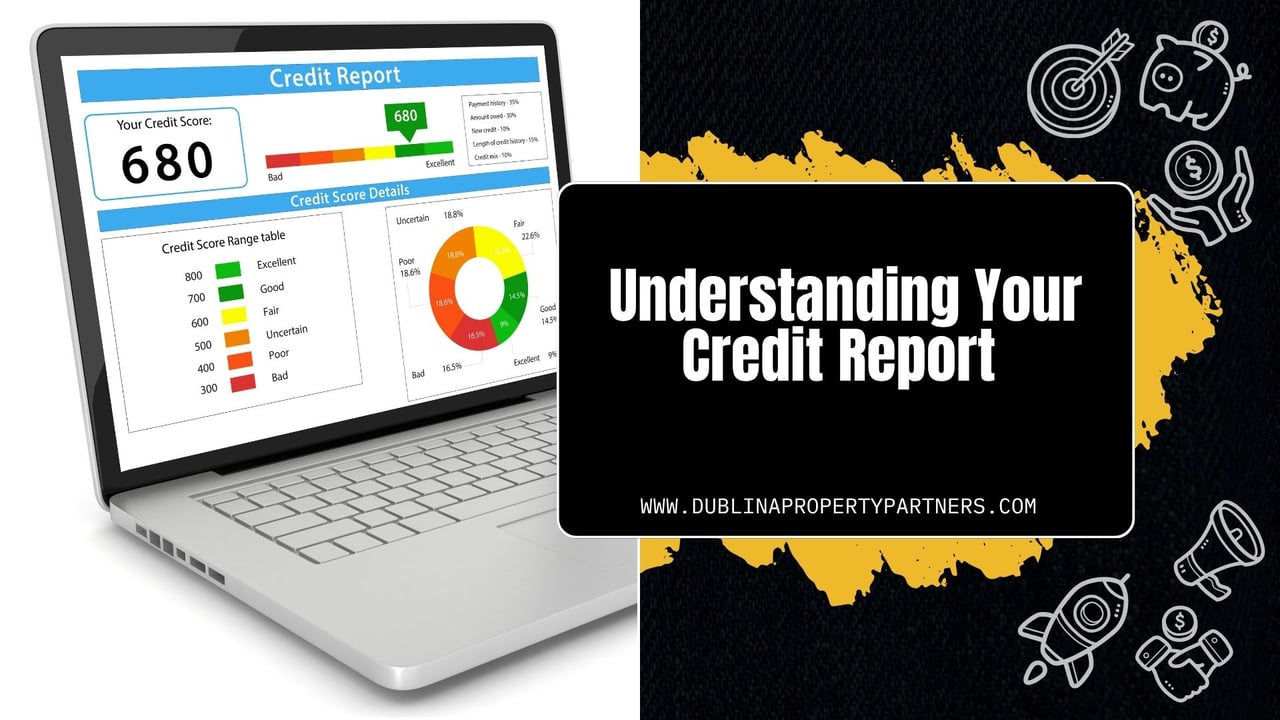
Understanding your credit report is really about learning how lenders see your financial behavior and risk. It’s basically a detailed financial “report card” that affects your ability to get approved for loans, mortgages, credit cards, insurance rates, and sometimes even housing or employment.
1. The 3 Major Credit Bureaus
Your credit report is tracked by three main companies:
- Equifax
- Experian
- TransUnion
Each bureau may have slightly different information because not all lenders report to all three.
2. What’s in a Credit Report
Your report is typically broken into 5 key sections:
A. Personal Information
- Name, address history, Social Security number (partial), employment history
- Used to identify you (not used in scoring)
B. Credit Accounts (Trade Lines)
This is the most important section:
- Credit cards
- Auto loans
- Student loans
- Mortgages
For each account you’ll see: - Date opened
- Credit limit or loan amount
- Payment history (on-time or late)
- Current balance
C. Payment History
- Shows whether you pay on time or late (30, 60, 90+ days)
- This is the MOST heavily weighted factor in your credit score
D. Credit Inquiries
- “Hard inquiries” = when you apply for credit
- Too many in a short time can lower your score slightly
- “Soft inquiries” (checking your own credit) do not affect your score
E. Public Records / Collections
- Bankruptcies
- Collections accounts
- Tax liens (less common now on reports, but still impactful if present)
3. What Actually Impacts Your Credit Score Most
Even though the report has lots of data, your score is mainly driven by:
- 35% Payment History (on-time vs late payments)
- 30% Credit Utilization (how much of your credit you’re using)
- 15% Credit Age (how long your accounts have been open)
- 10% New Credit (recent applications)
- 10% Credit Mix (types of credit you have)
4. Common Things People Miss
- Closing old credit cards can lower your score (it reduces credit age + increases utilization)
- Carrying high balances hurts even if you pay on time
- One late payment can stay on your report for up to 7 years
- You can have different scores depending on which bureau is used
5. How to Check Your Report (Free)
You can access your credit reports for free at:
- AnnualCreditReport.com (official federally authorized site)
6. Simple Way to Think About It
Your credit report answers 3 questions for lenders:
- Do you pay your bills on time?
- How much debt are you using right now?
- How long have you been managing credit responsibly?
